Walking through Fires

Meet Leona Pinson — “that girl” in That Pinson Girl, my debut novel — who at seventeen gives birth to an illegitimate child. Leona has completed the eighth grade, the only education available to her deep in the beautiful but hardscrabble hills of north Mississippi. Leona lives on a farm with her troubled mother, Rose, her aunt, Sally Pinson (a dwarf whose appearance has always frightened Leona), and her older brother, Raymond, who drinks and rides at night with other young men who feature themselves the “new” Klan. The year before her child is born, Leona’s father died in a hunting accident she believes may have been murder.

Leona is smart and resourceful, but vulnerable. Lying with that boy before he goes off to the war in France and refusing to name him as her son’s father invite the scorn of her family and the community, except for Luther Biggs, a biracial sharecropper who has a long history with the Pinson family. Luther loves and protects Leona, but he too keeps a devastating secret.
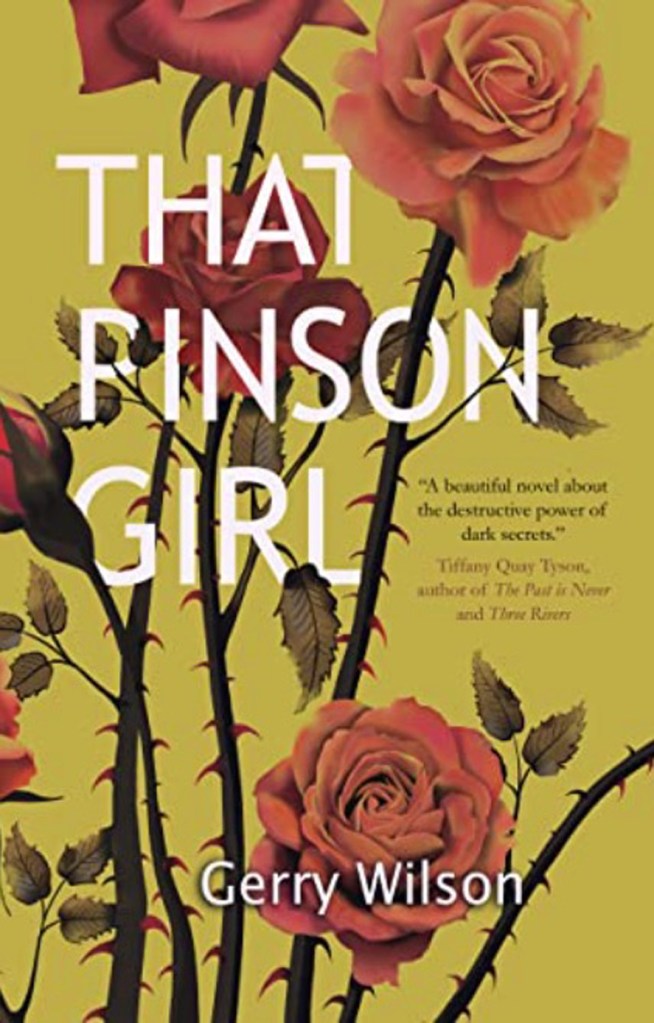
Pre-order That Pinson Girl from your favorite book store.

Early on, the problematic side of Leona as a character seemed to be that she was a victim of her life circumstances. Nobody wants a passive main character! But as she developed over the course of re-writing the novel many times, I discovered she wasn’t a victim at all, subject to the whims of others and whatever Fate might have in store. She evolved, and eventually, I found depth and resilience and courage in her that surprised me. You see, when Leona encounters hardships — when she walks through the fires of discrimination, hatred, violence, and loss — she suffers, but she picks herself up and gets on with the life she knows, all the while yearning for something better, all the while becoming stronger.

Where does the character of Leona come from?

In part, at least, she comes from me. My own life is probably my deepest source, whether I’m aware of its influences when I’m writing or not. Leona also comes from stories my maternal grandmother told. Her early life was a textbook for living with hardship and loss.

But Leona also comes from this:

When I was a child, a woman lived with her son and her mother in a shabby house down the street from us. It seemed nobody ever visited or called or spoke to them. They went about their lives in isolation. When I asked my parents about them, I got non-answers. I was almost grown when I learned she had borne the son out of wedlock when she was just a girl, and all of them were shunned because of it.

And there you have it: the birth of Leona Pinson as a character. I’m grateful to know her and share her with you.

#

A different version of this piece appeared September 8, 2023, on Substack at Stories I’m Old Enough to Tell. I’m in the process of transitioning this website blog to Substack. I would love it if you would subscribe there (it’s free!) and share with friends.

Coffee? Lemonade? Or Nothing?

At the end of every hard-earned day / people find some reason to believe.”  — Bruce Springsteen

In “Reason to Believe,” Bruce Springsteen tells it like it is.

By many people’s standards, my days are not “hard-earned.” I have a good life, not without its problems and sorrows, but easy compared to most, I suppose.

My dad’s days, on the other hand, were different. He came up poor, and after high school, he went to live with and work for my uncle, who had a car dealership in a nearby town. When my uncle decided to move back to Pontotoc, the tiny town in the hills of north Mississippi where they had grown up, my dad moved with him. In those days, Daddy followed the big bands that traveled the South. He was handsome, and I have old photographs of the pretty girls he knew. But my mother put an end to what seemed to be his confirmed bachelorhood. When they married, she was eighteen and he was thirty-two. The love affair that was their marriage continued until his death forty-five years later.

Do I believe in providence?

I suppose I do. I’m not certain how my parents met. I know my mother’s best friend lived across the street from the little service station my dad ran. I imagine her walking past the station, never looking his way. Did she and her best friend watch him from the porch across the street? Did they giggle? Did Mother write her name as his—“Mrs. G______”?

I wish I knew the answers. What a shame I didn’t ask.

I can only speculate, just like I can speculate about the coincidence of meeting my first husband at a college party. We were both there with other people, but he cut in and danced with me. Later, I ran into him on campus and he offered me a ride back to the dorm. Still later, he called and asked me out. And that was the beginning.

Or much later, twenty-seven years ago, a phone call came from a college professor I didn’t know. He had seen the high school literary magazine I sponsored, he said, and he needed a judge for a writing contest; would I do it? When I said yes, he offered to bring the materials to my house. And soon, there he stood, on my doorstep, this man I would eventually marry. He says I served him iced tea (it was July, maybe August). What if I’d offered him coffee? Or lemonade? Or nothing? What if I’d said no on the phone? I so easily could have, but I didn’t.

Photo by The Matter of Food on Unsplash

Today or tomorrow, noon or evening. This restaurant or that one.

Why are we in particular places at particular times? Five minutes, or less, even seconds, and the turns our lives take could be so very different. Call it providence. Call it fate. Call it God-ordained. Our lives unfold in mysterious ways.

I’ve lived long enough to look back on the days of my life—some of which were indeed hard-earned, heartbreaking days that I thought at the time would break me—and see how they didn’t. They shaped and matured me and made me a different person from the one I might have been. Is that evidence enough to believe? I can’t prove there’s a force larger than us at work. But the thought sustains me, and that’s what matters.

Have you experienced a particular moment in your life when you felt something larger than yourself at work? Tell me about it in the comments.

This piece first appeared November 18, 2023, on Substack. Want to read more? Go to “Stories I’m Old Enough to Tell.”

Today or Tomorrow, Noon or Evening

Today, another assignment from Blogging 101: use a prompt from the Daily Post and make it my own. Here’s today’s prompt:

In Reason to Believe, Bruce Springsteen sings, “At the end of every hard-earned day / people find some reason to believe.” What’s your reason to believe?

Bruce tells it like it is.

By many people’s standards, my days are not “hard-earned.” I have a good life, not without its problems and sorrows, but relatively easy compared to some.

My dad’s days, on the other hand, were hard-earned. He came up poor, and after high school, he went to live with and work for my uncle, who had a car dealership in a nearby town. When my uncle decided to move back to Pontotoc, the tiny town in the hills of north Mississippi where they had grown up, my father moved with him. In those days, Daddy  followed the big bands that traveled the South. He was quite handsome, and I have old photographs of the pretty girls he knew. But my mother put an end to what seemed to be his confirmed bachelorhood. When they married, she was eighteen and he was thirty-two, and the love affair that was their marriage continued until his death forty-five years later. For the rest of his life, he worked six days a week, from six in the morning until six at night, to provide for my mother and me. Maybe we were his reason to believe.

Do I believe in providence?

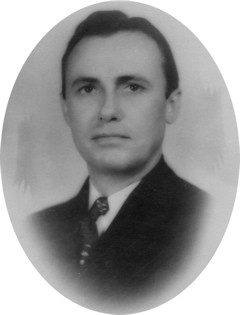
Daddy @ 1937

my father, about 1937

Yes, I suppose I do. I’m not certain how my parents met. I do know that my mother’s best friend lived across the street from the little service station my dad ran. I imagine her walking past the station, blushing, never looking his way. Did she and her friend watch him from the friend’s front porch? Did they giggle? Did she write her name as his–“Mrs. G______”?

I wish I knew the answers, but I don’t. What a shame I never asked.

I can only speculate, just like I can speculate about the coincidence of meeting my first husband at a college party. We were both there with other people, but he cut in and danced with me. Later, I ran into him on campus and he offered me a ride back to the dorm. Still later, he called and asked me out. And that was the beginning.

Or much later, some twenty-five years ago now, a phone call came from a man I didn’t know, the man who is now my husband. He needed a judge for a high school literary magazine contest; would I do it? When I said yes, he offered to bring the materials to my house. And soon, there he stood, on my doorstep, this man I would eventually marry. He says he remembers I served him iced tea (it was July, maybe August). What if I’d offered him coffee? Or lemonade? Or nothing? What if I’d said no on the phone? I so easily could have, but I didn’t.

Today or tomorrow, noon or evening.

This restaurant or that one. Why are we in particular places at particular times? Five minutes, or less, even seconds, and the turns our lives take could be so very different. Call it providence. Call it fate. Call it God-ordained. Our lives unfold in mysterious ways.

What is my reason to believe? My best answer is how can I not?

I’ve lived long enough to look back on the days of my life–some of which were indeed hard-earned, heartbreaking days that I thought at the time would surely break me–and see how they didn’t. They shaped and matured me and made me a different person from the one I might have been. That evidence is my reason to believe. No, I can’t prove it. But it sustains me, and that’s what matters.

Have you experienced a particular moment in your life when you felt something larger than yourself at work? I’d love for you to tell me about it here.


Reason to Believe