Own the Emotion, Give It Away

Some years ago, I volunteered as a studio monitor during a regional ballet association festival. I watched nervously as the teacher pushed and corrected the young dancers, but I was happy to see how he also encouraged and praised. Toward the end of the session, he told the dancers something I’ve never forgotten: Technique isn’t enoughYou can be technically proficient, but without emotion, you’ll never be a true artist. He urged them to feel the music, to make their entire bodies expressions of emotion.

Credit: Samantha Hurley at Burst

I believe the same is true of writing. Artistry on the page isn’t only about skill or eloquence. We study and master craft; we may have a gift for language and storytelling; but if we can’t re-create emotion in ways that allow readers to feel, the prose will most likely be flat, no matter how well it’s written.

I learned a long time ago that my best work comes from an emotional place where I often would rather not be. So, when I become aware that a story isn’t working, I look hard for what I’m holding back.

There may be places we can never go in our fiction. I read once, though, that in one way or another, a fictional character will always be the writer.

One of the first stories I ever published gave me fits while I was writing it. The story dealt with betrayal, an experience I knew firsthand. Writing about that trauma was fraught with deep emotion, and yet I struggled to portray the feelings on the page in a way that didn’t feel stiff and superficial. A wise reader told me I was too close to the story; the protagonist was too much me. I needed to find a way to step back and give those emotions away. I was aware of the autobiographical elements, but I hadn’t realized how they were confining me. Instead of asking “What if…” I was locked into “This happened.” Once I changed the point of view, the story came pouring out. During the week it took to get the draft onto the page, I went upstairs every night after I stopped working, locked myself in the bathroom, and turned on the shower so my children couldn’t hear me crying.

Tapping painful experiences isn’t necessary for every story, and probing our personal stories isn’t right for every writer. There may be places we can never go in our fiction. I read once, though, that in one way or another, a fictional character will always be the writer, whether we intend it or not. It’s important that if we’re dealing with difficult feelings, we create distance. If we can manage that, if we can step back and at the same time go deep and open our hearts in the harsh light of the page, if we can mine our feelings that way, then the emotions that weigh us down can become genuine gifts of connection with our readers.

###

This post appeared on Telling Her Stories at Story Circle Network on October 21, 2022.
Friday Photo: Dodge, late 1940s

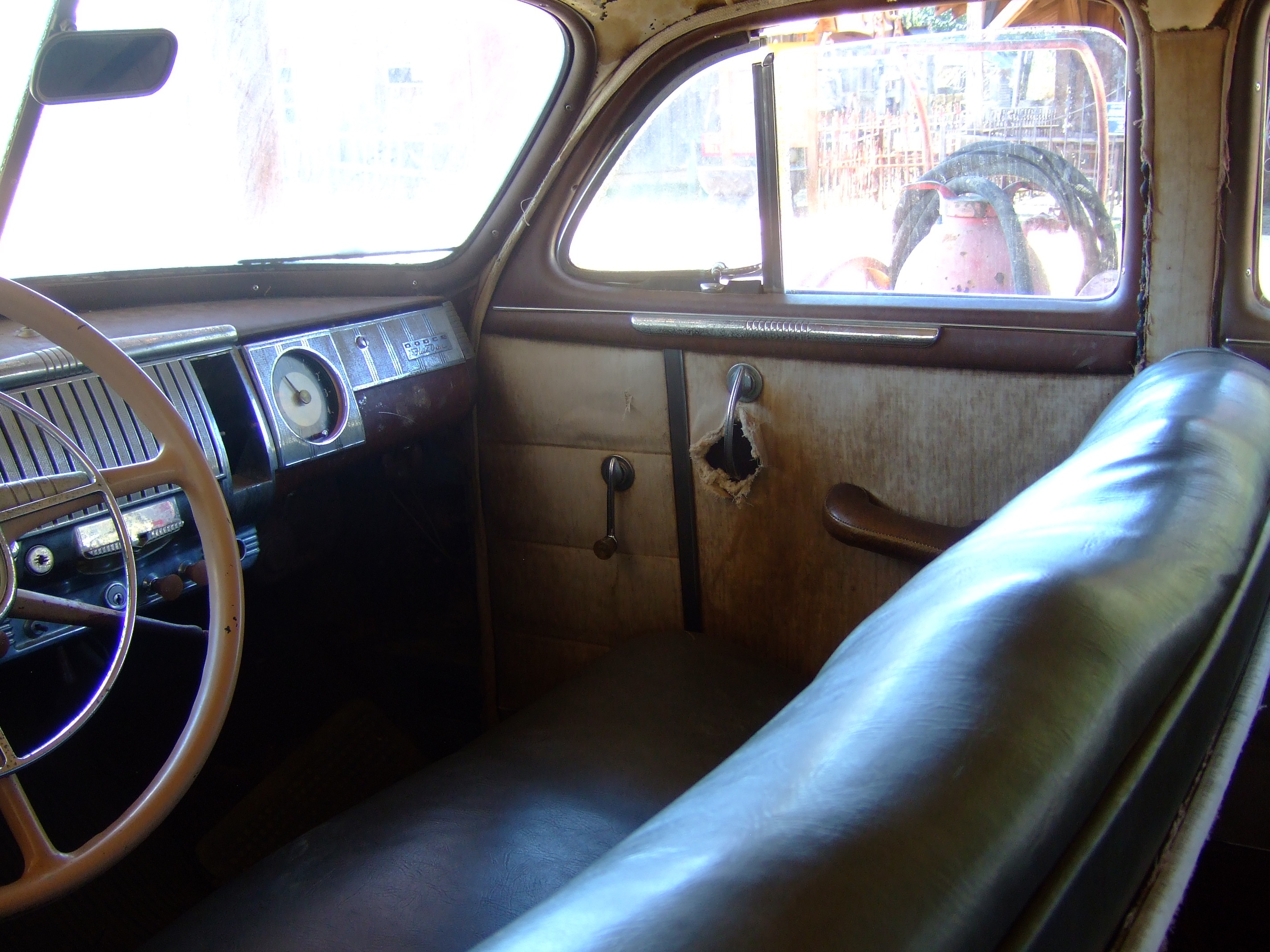
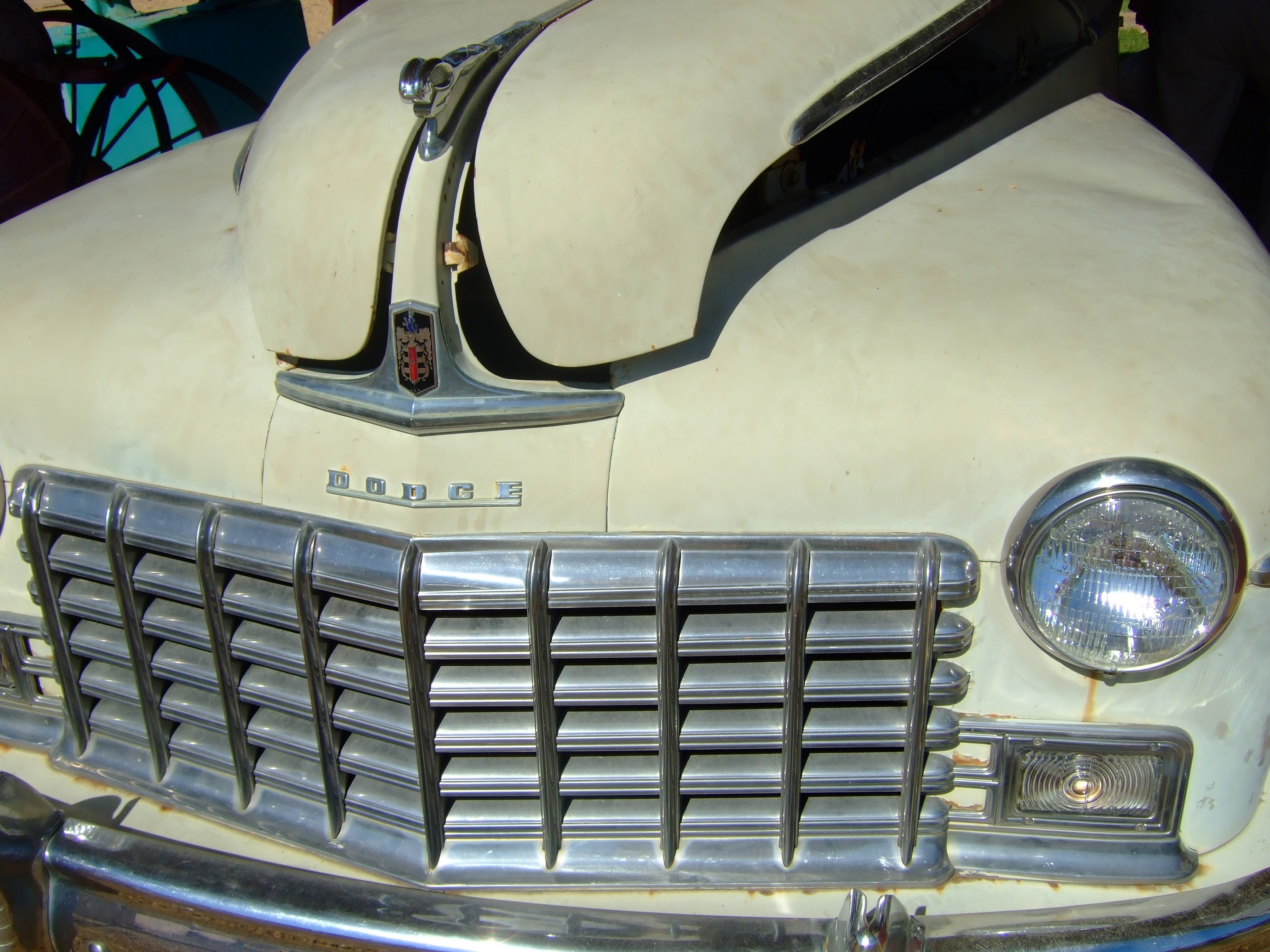
This old Dodge, circa 1946-48, is parked at a gas station on the grounds of the Mississippi Agriculture Museum. An authentic building moved to the museum grounds, the gas station is 1940s-era, too, complete with original gas pumps. The car is still spiffy except for the bit of rust you can see if you look closely.

Can’t you imagine flying along some hilly back road with all the windows down?

Can’t you imagine two kids parking in this car with the one bench seat on a summer night in the moonlit shadows of kudzu vines, music filtering in over the radio?

The war over, their lives just beginning.

Dodge194648
DSCF8937

A Little Fiction: All Fall Down

Shelly and Hank had planned this camping trip as an attempt at getting back together. It wasn’t working. He was late picking her up, the drive took five hours instead of their usual three, and when they finally found a space to camp, they argued over where to set up the tent.

She dropped the side of the tent she was holding and walked away. “All right, fine. You deal with it.” She headed for the river bluff. She thought Hank would come after her, but he didn’t.

riverview

the Mississippi / Gerry Wilson

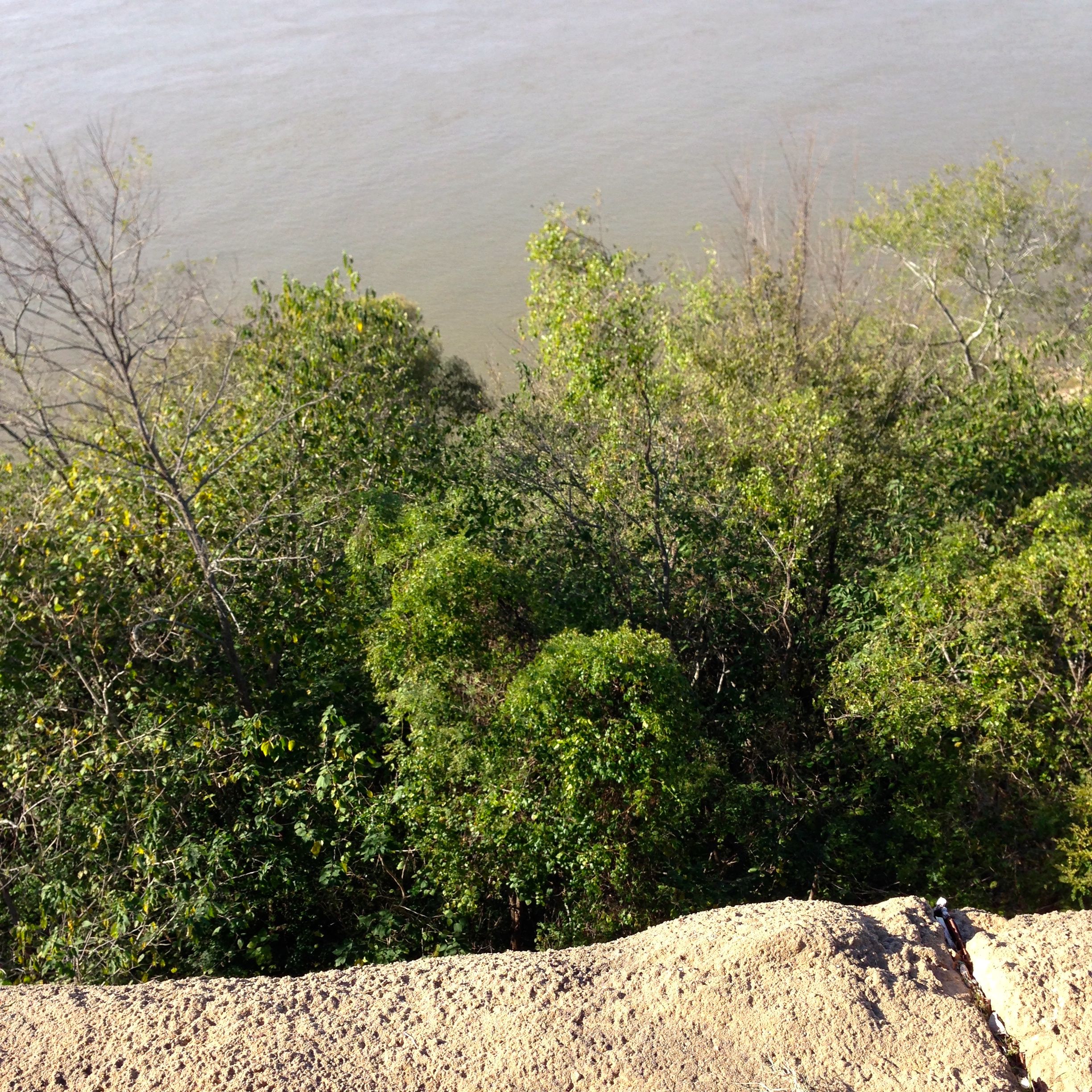
The bluff dropped steeply away to the river, maybe thirty, forty feet. Willows clung to the banks and leaned out into the sky like filmy, green parachutes. Shelly walked as near the edge as she dared and considered climbing down. She had always wanted to do it; why not now?

She looked for a place that wasn’t a sheer drop, where there was brush, or outcroppings of stone. She eased over the edge and grabbed a sapling, then another, her breath coming hard, thought I can do this, until a branch bent and snapped, rocks skittered and fell, and she slipped, clutching at mud and stone and brush. She slid all the way down, landed on the narrow bank, rolled towards the rushing water, clawed at the mud to drag herself back. She lay still and assessed what hurt: her head, her right shoulder, her right ankle.

She sat up. The knees of her jeans were torn and stained with blood, her hands scraped and bloody, too, and caked with mud. She unlaced her hiking shoe and took off her sock. The throbbing ankle was already swelling and turning blue. Jesus. She pulled the sock back on and forced her foot back into the shoe. Pain jolted from her ankle to her thigh.

“Hello?” she yelled. “Hank? Anybody?”

Nearly five o’clock. The bluff cast deep shadows on her and on the river. Maybe  twenty yards away, a sandbar extended out into the water. She’d be more visible from there. She tried to stand, but she couldn’t bear weight on the ankle. She crawled far enough out onto the sandbar to see the top of the bluff. She called out again, “Hello? Hello! Down here! Help me!” But the day picnickers and hikers would have gone home by now. The overnight campers, like Hank, would be settling in. On the river, no vessels—an old-fashioned word her father, a retired Navy man, would have used—this time of day, no kayaks or canoes, no pleasure boats.

The sky was a clear, deepening blue. The wind out on the sandbar went suddenly chilly. The rising moon had a corona of light. That was supposed to mean something: a sign of rain? Bad luck?

Shelly washed her stinging hands and splashed her face with the cold river water. She struggled to her feet and tried her weight again on the throbbing ankle. She had to get off the sandbar. She hobbled the length of it before she dropped to her knees and crawled back to the shelter of the bluff.

No way she could climb. She’d be fine right there, a little banged up and wet. Hank would come looking for her. All she had to do was wait.

###

This piece of flash fiction is headed over to Yeah Write, where writing events abound. Writer friends, be sure to check them out!